Category
Compliance and Regulatory Mandates
SPF, DKIM, DMARC, BIMI, MTA-STS, and TLS-RPT — standards, guidance, and enforcement strategy for the enterprise inbox.
21
Articles published
Sat Oct 2026
24 Jul 2026 11 min read
7 GDPR Email Security Gaps Triggering €400M+ Fines
€400M+ in GDPR fines stem from preventable email security gaps. Learn how authentication failures led to Coupang and other breaches.
Read the article
DMARC Providers, the CLOUD Act, and GDPR: What EU Companies Should Assess
Navigate US Cloud Act implications when EU companies choose DMARC providers. Essential compliance guide for European organizations implementing email authentication.
13 min 7 Jul 2026
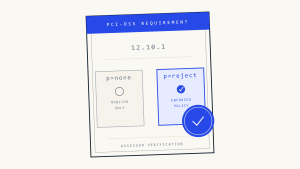
DMARC p=reject vs p=none: What PCI-DSS Assessors Actually Verify
Learn what PCI-DSS assessors actually verify for DMARC policies and how p=reject vs p=none impacts your compliance evaluation and email security posture.
7 min 7 Jul 2026
NIS2 Article 21 DMARC Requirements: EU Compliance Guide 2026
Decode NIS2 Article 21 email security obligations with actionable DMARC implementation steps for EU organizations navigating cybersecurity compliance requirements.
9 min 20 May 2026
DMARC Requirements 2026: Global Policies & Compliance Standards
Navigate mandatory DMARC policies worldwide with actionable compliance strategies. Understand regional requirements and implement effective email authentication controls.
12 min 20 May 2026
DMARC Data Exposure: Non-EU Processor Risk in Privacy Compliance
DMARC providers using non-EU processors create privacy compliance risks for European organizations. Learn how to prevent data exposure and maintain regulatory compliance.
6 min 30 Apr 2026
PCI DSS 4.0 Email Security: Ultimate Compliance Guide
Complete guide to PCI DSS 4.0 email security requirements. Learn implementation steps, compliance validation, and best practices for payment card security.
9 min 23 Apr 2026
SOC 2 Email Security Controls: Implementation Checklist
Complete checklist for implementing SOC 2 Type II email security controls. Essential authentication, encryption, and monitoring requirements for compliance certification.
6 min 23 Apr 2026
GDPR Email Marketing Compliance: Why DMARC Matters for Data Protection
Learn how DMARC email authentication supports GDPR compliance goals, protects personal data, and strengthens your email marketing security framework.
6 min 23 Apr 2026
NIS2 Across the EU: Germany Leads the Way in Cybersecurity Compliance
The NIS2 Directive is reshaping cybersecurity compliance across the European Union, setting stricter requirements for risk management, incident reporting, and supply chain security. As EU member states accelerate implementation, Germany is emerging as a leader in aligning national cybersecurity frameworks with NIS2 standards raising the bar for regulatory compliance, operational resilience, and critical infrastructure protection.
4 min 11 Feb 2026
How Email Authentication Helps Your Business Stay Compliant with Data Privacy Laws
Email authentication plays a critical role in helping businesses meet data privacy and compliance requirements. By implementing standards like SPF, DKIM, and DMARC, organizations can prevent email spoofing, reduce the risk of data breaches, and demonstrate proactive protection of customer datasupporting compliance with regulations such as GDPR and other global privacy laws.
4 min 27 Jan 2026
What is the NIST Cybersecurity Framework? The Ultimate Guide to DMARC
This comprehensive guide explains the NIST Cybersecurity Framework and how it supports DMARC implementation to secure your email domain. Learn actionable strategies to defend against phishing, improve cyber resilience, and align with security best practices.
4 min 22 Jul 2025
New Zealand Sets October 2025 Deadline for Strict DMARC Enforcement
New Zealand’s Secure Government Email Framework sets a mandatory October 2025 deadline for implementing DMARC, SPF, DKIM, MTA-STS, and TLS-RPT. Whether you're a government agency or supplier, compliance is essential to avoid bounced emails, spoofing, and reputational risk.
4 min 10 Jun 2025
The Skysnag Scanner
Check your domain's DMARC compliance.
Five protocols. Sixty seconds. No account. A full authentication-posture report on your domain, delivered before your coffee cools.
DMARC · SPF · DKIM BIMI · MTA-STS · TLS-RPT No signup required