The General Data Protection Regulation (GDPR) has fundamentally transformed how organizations handle personal data, with email marketing bearing significant compliance responsibilities. While GDPR doesn’t explicitly mandate specific email authentication protocols, email security controls like DMARC play a crucial role in supporting data protection obligations under the regulation.
Understanding the intersection of GDPR compliance and email authentication helps organizations protect personal data while maintaining effective marketing communications. This relationship becomes particularly important when considering GDPR’s emphasis on data security, breach notification requirements, and the principle of accountability.
I. Understanding GDPR’s Data Protection Requirements for Email

GDPR establishes comprehensive obligations for organizations processing personal data, including email addresses used in marketing campaigns. Article 32 requires organizations to implement “appropriate technical and organisational measures” to ensure data security, while Article 5 mandates that personal data be processed lawfully, fairly, and in a manner that ensures appropriate security.
Email marketing inherently involves processing personal data, creating several compliance touchpoints:
- Lawful basis requirements under Article 6, typically consent or legitimate interests
- Security obligations to protect personal data against unauthorized processing
- Data breach notification requirements when security incidents occur
- Accountability principles requiring organizations to demonstrate compliance measures
The regulation emphasizes a risk-based approach to data protection, meaning organizations must assess and address security risks proportionate to the likelihood and severity of potential harm to data subjects.
II. Why Email Authentication Supports GDPR Compliance Goals

Email authentication protocols create a technical foundation that supports several GDPR compliance objectives, though they don’t guarantee regulatory compliance on their own.
Data Integrity Protection: DMARC, combined with SPF and DKIM, helps ensure that emails claiming to originate from your organization are authentic. This technical control supports GDPR’s data integrity requirements by preventing unauthorized parties from sending emails that appear to come from your domain.
Security Incident Prevention: By blocking spoofed emails, DMARC reduces the likelihood of successful phishing attacks that could compromise personal data systems. While GDPR doesn’t require specific anti-phishing measures, organizations must demonstrate appropriate security controls relative to processing risks.
Brand Protection and Trust: Email authentication helps maintain the integrity of legitimate marketing communications, supporting the transparency and fairness principles that underpin GDPR compliance. Recipients can have greater confidence that emails are genuinely from the claimed sender.
According to Proofpoint’s 2025 State of the Phish report, 84% of organizations experienced successful phishing attacks, highlighting the ongoing relevance of email security controls in broader data protection strategies.
III. DMARC Implementation in GDPR-Compliant Email Programs

Organizations implementing DMARC as part of their GDPR compliance strategy should consider several key factors:
Technical Implementation Considerations
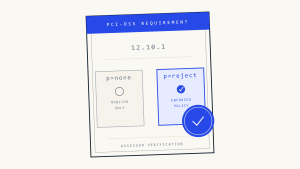
Start with a DMARC policy in monitor mode (p=none) to assess current email authentication status without affecting mail delivery. This approach allows organizations to understand their email ecosystem while maintaining compliance with existing marketing obligations.
Gradual policy enforcement helps balance security objectives with business continuity. Moving from monitoring to quarantine (p=quarantine) and eventually reject (p=reject) policies provides increasing protection while allowing time to address authentication issues.
Data Processing Transparency
DMARC implementation involves processing certain technical data, including IP addresses and email routing information. Organizations should ensure their privacy policies accurately reflect these processing activities, particularly when DMARC reports contain information that could be considered personal data under GDPR.
Vendor Management and Data Processing Agreements
Many organizations use email service providers or DMARC management platforms to handle authentication and reporting. These relationships typically require Data Processing Agreements (DPAs) under Article 28 of GDPR, ensuring that technical service providers meet appropriate data protection standards.

Skysnag Protect helps organizations implement DMARC policies while maintaining visibility into authentication performance, supporting both security objectives and compliance documentation requirements.
IV. Common GDPR Email Compliance Challenges
Organizations frequently encounter specific challenges when aligning email authentication with GDPR requirements:
Third-Party Email Senders: Marketing programs often involve multiple service providers, each requiring proper SPF and DKIM configuration. Failure to authenticate legitimate third-party senders can result in delivery issues that impact marketing effectiveness and potentially violate service level commitments to customers.
Cross-Border Data Transfers: DMARC reporting may involve data transfers between different jurisdictions. Organizations must ensure that any international transfers of DMARC report data comply with GDPR’s transfer mechanisms, such as Standard Contractual Clauses or adequacy decisions.
Retention and Deletion Requirements: GDPR’s data minimization principle requires organizations to retain personal data only as long as necessary. This includes technical data collected through DMARC reporting, which should be subject to appropriate retention schedules.
Consent Management Integration: For consent-based email marketing, organizations must ensure that email authentication doesn’t interfere with consent withdrawal mechanisms. Subscribers must be able to opt out of communications regardless of authentication status.
V. Building Accountability Through Email Security Controls
GDPR’s accountability principle requires organizations to demonstrate compliance with data protection requirements. Email authentication contributes to this demonstration in several ways:
Documentation of Security Measures: DMARC implementation provides concrete evidence of technical controls designed to protect personal data and prevent unauthorized processing. This documentation supports accountability obligations under Article 5(2).
Incident Response Capabilities: DMARC reporting can provide valuable forensic information during security incident investigations, helping organizations meet breach notification requirements under Articles 33 and 34.
Risk Assessment Integration: Email authentication should be incorporated into broader data protection impact assessments (DPIAs) when processing operations present high risks to data subject rights and freedoms.
Regular Review and Monitoring: GDPR requires ongoing assessment of data protection measures. DMARC policies and authentication performance should be regularly reviewed as part of broader compliance monitoring activities.
VI. Best Practices for GDPR-Compliant Email Authentication
Implementing email authentication within a GDPR compliance framework requires attention to both technical and procedural elements:
Policy Development and Documentation
Establish clear policies governing email authentication implementation, including roles and responsibilities, escalation procedures, and integration with broader data protection governance. Document the relationship between email security controls and GDPR compliance objectives.
Training and Awareness
Ensure that marketing, IT, and compliance teams understand how email authentication supports data protection goals. This cross-functional understanding helps maintain consistent implementation and addresses compliance questions as they arise.
Monitoring and Reporting
Implement regular monitoring of DMARC policy effectiveness and authentication performance. This ongoing visibility supports continuous improvement and provides evidence of proactive security management.
Integration with Privacy by Design
Consider email authentication requirements during the design phase of new marketing systems or campaigns. This proactive approach aligns with GDPR’s privacy by design requirements under Article 25.
VII. Key Takeaways
GDPR email compliance requires a comprehensive approach that addresses both regulatory obligations and technical security controls. While GDPR doesn’t explicitly require DMARC implementation, email authentication protocols support several core data protection objectives including security, integrity, and accountability.
Organizations should implement DMARC as part of a broader GDPR compliance strategy, ensuring proper documentation, vendor management, and integration with existing privacy governance frameworks. The combination of regulatory compliance and technical security controls creates a stronger foundation for protecting personal data in email marketing operations.
Success in GDPR email compliance depends on understanding the regulation’s risk-based approach and implementing proportionate technical and organizational measures. Email authentication represents one component of this broader compliance framework, providing measurable security benefits that support regulatory objectives.
Ready to implement DMARC as part of your GDPR compliance strategy? Skysnag Protect provides the visibility and control needed to authenticate your email domain while supporting data protection requirements.