Category
Email Authentication and Standards
SPF, DKIM, DMARC, BIMI, MTA-STS, and TLS-RPT — standards, guidance, and enforcement strategy for the enterprise inbox.
89
Articles published
Sat Oct 2026
30 Apr 2026 8 min read
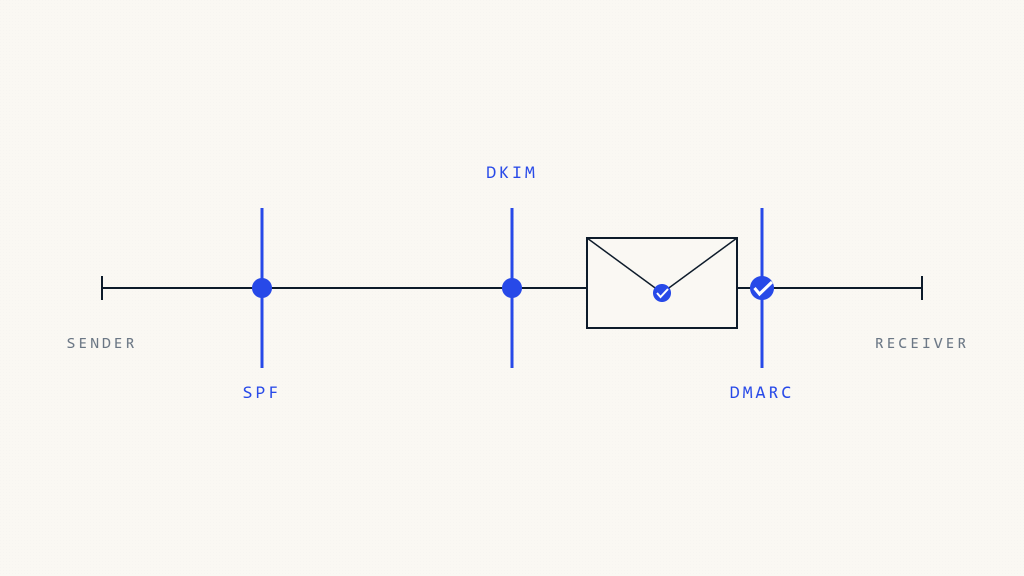
What Is DMARC? How Email Authentication Works in 2026
Learn DMARC fundamentals: how email authentication works, implementation steps, and protection against spoofing in 2026. Complete guide for security teams.
Read the article
DMARC Subdomain Policy: Protection Beyond Root Domain
Master DMARC subdomain policies and sp tag configuration for comprehensive email security beyond root domains. Expert implementation guide.
6 min 27 Apr 2026
Google Yahoo Email Requirements 2026: Complete Compliance Guide for Bulk Senders
Master Google and Yahoo's latest email authentication requirements for 2026. Complete guide to SPF, DKIM, and DMARC compliance for bulk senders.
6 min 23 Apr 2026
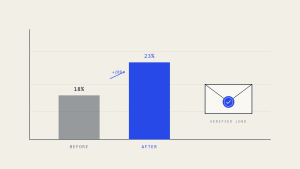
BIMI Impact on Email Open Rates: Complete Technical Study
Research-backed analysis shows BIMI implementation increases email open rates by 15-25% through verified brand logos that enhance recipient trust and engagement.
7 min 21 Apr 2026
DMARC Forensic vs Aggregate Reports: Understanding the Key Differences
Compare DMARC forensic and aggregate reports to understand RUA vs RUF implementation, privacy implications, and use cases for effective email security.
7 min 17 Apr 2026
BIMI Brand Protection: Complete E-commerce Security Guide
Discover how BIMI shields retail brands from email impersonation attacks. Complete guide to implementing BIMI brand protection for e-commerce security.
8 min 16 Apr 2026
5 Red Flags That Mean Your Domain Needs a Health Check
Your domain is critical for email security, brand reputation, and customer trust. Hidden misconfigurations or forgotten subdomains can cause spoofing, bounce issues, and security risks. Learn the five key warning signs that indicate it’s time to run a domain health check and protect your deliverability, reputation, and overall digital security.
2 min 27 Mar 2026
Manual DNS Updates: Risks for Email Security
Manual DNS updates may seem harmless, but they are one of the biggest hidden threats to email security. Discover how automation removes errors, delays, and risks while strengthening compliance.
4 min 25 Nov 2025
Why Businesses Should Automate DMARC: Compliance, Security, and Control
DMARC automation and professional management empower businesses to strengthen email security, maintain compliance, and prevent phishing and spoofing attacks. By simplifying complex authentication tasks, it ensures continuous protection, improves email deliverability, and keeps your brand trusted - so teams can focus on growth not email threats.
5 min 24 Oct 2025
The Hidden Cost of Email Authentication Failures on Marketing Campaigns
If not addressed, email authentication issues can trigger a domino effect that harms deliverability, damages your domain reputation, and reduces campaign performance. Learn how proper DMARC, SPF, and DKIM setup can protect your emails, improve inbox placement, and ensure your marketing campaigns reach their full potential.
4 min 28 Aug 2025
Who is a bulk email sender? Are you classified as one?
Bulk sender requirements are now in effect across major email providers. If you send thousands of emails daily, understanding who qualifies and how to stay compliant is essential to protect your deliverability and sender reputation.
4 min 25 Jul 2025
The History Of DMARC
A brief history of how DMARC evolved from an optional email security standard to a mandatory requirement enforced by tech giants like Google and Microsoft. Learn why you can no longer afford to ignore it.
5 min 14 Jul 2025
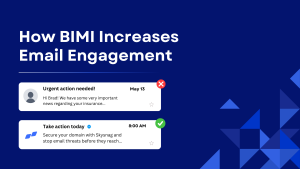
BIMI Email Security and Engagement Benefits
Discover how implementing BIMI (Brand Indicators for Message Identification) can boost email engagement by 38%. Learn why leading enterprises rely on Skysnag’s advanced email authentication platform to enhance brand visibility, build trust, and improve inbox performance.
3 min 15 May 2025
The Skysnag Scanner
Check your domain's DMARC compliance.
Five protocols. Sixty seconds. No account. A full authentication-posture report on your domain, delivered before your coffee cools.
DMARC · SPF · DKIM BIMI · MTA-STS · TLS-RPT No signup required