E-commerce brands face a growing threat that strikes directly at customer trust: email impersonation attacks that bypass traditional security measures and land in customer inboxes wearing your brand’s stolen identity. BIMI (Brand Indicators for Message Identification) emerges as a critical defense mechanism, transforming how retail brands protect their visual identity in email communications while building unshakeable customer confidence.
I. What Is BIMI Brand Protection?
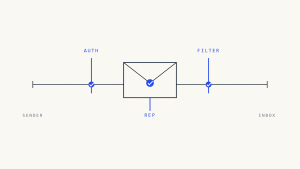
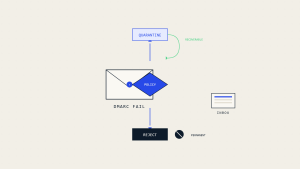
BIMI brand protection represents the next evolution in email security, combining visual brand authentication with cryptographic verification to create an impenetrable shield around your e-commerce brand identity. This protocol displays your authenticated brand logo directly in supported email clients, but only when your emails pass rigorous security validation through DMARC (Domain-based Message Authentication, Reporting, and Conformance) policies set to “quarantine” or “reject.”
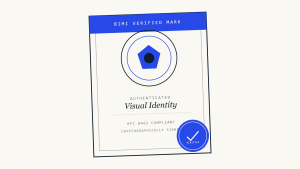
The technology works by publishing a specialized DNS record that points to your verified brand logo, creating a direct link between your domain authentication and visual brand representation. When customers receive emails from your domain, they see your official logo badge, instantly recognizing legitimate communications and identifying fraudulent attempts that lack this visual verification.
For e-commerce businesses, this creates a powerful psychological and technical barrier against brand impersonation. Customers develop visual recognition patterns, making fraudulent emails without BIMI logos immediately suspicious. Meanwhile, the underlying security requirements ensure that only properly authenticated emails can display your brand imagery.
II. Why E-commerce Brands Need BIMI Security Now
Rising Impersonation Attacks Target Retail
E-commerce brands face disproportionate targeting from cybercriminals who exploit customer trust in familiar retail names. Recent data shows that retail and e-commerce sectors experience 64% more brand impersonation attempts than other industries, with attackers leveraging seasonal shopping patterns, flash sales, and customer service communications to deploy convincing phishing campaigns.
The financial impact extends far beyond immediate fraud losses. When customers fall victim to impersonation attacks using your brand, trust erosion affects future purchase decisions, customer lifetime value, and brand reputation. A single successful impersonation campaign can generate thousands of fraudulent emails, creating widespread customer confusion and support burden.
Customer Trust Requires Visual Verification
Modern consumers receive dozens of promotional emails daily, creating decision fatigue around authentic communications. BIMI brand protection addresses this challenge by providing instant visual verification that cuts through inbox noise. When customers see your authenticated logo badge, they experience immediate confidence in message legitimacy.
This visual authentication becomes particularly crucial during high-volume periods like holiday shopping, product launches, or emergency communications when customers are most vulnerable to social engineering attacks. The psychological impact of seeing familiar brand imagery in a trusted email environment creates powerful positive associations that strengthen customer relationships.
Competitive Advantage Through Advanced Security
E-commerce brands implementing BIMI brand protection gain significant competitive advantages in customer communication effectiveness. Authenticated emails with brand logos achieve higher open rates, improved click-through performance, and increased customer engagement compared to plain text sender names.
The technology also positions your brand as security-forward, appealing to privacy-conscious consumers who increasingly evaluate businesses based on cybersecurity practices. This differentiation becomes particularly valuable in competitive retail markets where customer trust determines market share.
III. Implementing BIMI for E-commerce Brand Security
Step 1: Establish DMARC Foundation
Before implementing BIMI brand protection, your e-commerce domain requires a robust DMARC policy set to “quarantine” or “reject” enforcement levels. This foundational security ensures that only authenticated emails from your domain can potentially display BIMI logos, preventing attackers from hijacking your visual brand identity.
Begin by auditing your current email authentication status across all sending sources, including transactional emails, marketing campaigns, customer service communications, and third-party integrations. Many e-commerce brands discover unauthorized sending sources during this process, highlighting the security importance of comprehensive email authentication.
Configure SPF (Sender Policy Framework) and DKIM (DomainKeys Identified Mail) records for all legitimate sending sources, then gradually implement DMARC monitoring before moving to enforcement. This phased approach prevents legitimate email disruption while building comprehensive visibility into your email ecosystem.
Step 2: Create VMC-Compliant Brand Assets
BIMI requires Verified Mark Certificates (VMC) from authorized certificate authorities to authenticate your brand logo ownership and trademark rights. This process involves submitting trademark documentation, brand guidelines, and logo artwork that meets specific technical requirements for email display.
Your logo must be provided in SVG format with specific dimensional and color requirements optimized for email client display across various screen sizes and viewing conditions. The certification process typically requires 2-4 weeks but provides long-term brand protection value through verified trademark association.
Work with qualified certificate authorities who understand e-commerce brand requirements and can provide ongoing support for certificate renewal and logo updates. The investment in VMC certification pays dividends through improved email deliverability and brand protection effectiveness.
Step 3: Configure BIMI DNS Records
Publish BIMI records in your DNS configuration that point to your VMC-verified logo and certificate locations. These records must be precisely formatted to ensure compatibility across different email providers and client applications.
The DNS record structure includes your logo URL, VMC certificate location, and optional authority verification information. Regular monitoring ensures record accuracy and helps identify any configuration issues that might prevent proper logo display.
Consider implementing BIMI records for subdomains used in e-commerce communications, including customer service, notifications, and specialized campaign domains. Comprehensive coverage maximizes brand protection across your entire email infrastructure.
Step 4: Monitor and Optimize Performance

Deploy comprehensive monitoring to track BIMI implementation effectiveness across different email providers and client applications. This includes measuring logo display rates, email authentication success rates, and customer engagement improvements.
Regular testing ensures consistent performance across major email providers like Gmail, Yahoo, and Outlook, while identifying any technical issues that might affect brand logo visibility. Create standardized testing procedures that verify BIMI functionality after any DNS or email configuration changes.
Skysnag Certify provides automated BIMI monitoring and optimization tools designed specifically for e-commerce brands, ensuring consistent brand protection performance while simplifying ongoing management requirements.
Advanced Implementation Considerations
Multi-Brand Portfolio Management
E-commerce companies operating multiple brands require sophisticated BIMI management strategies that maintain distinct brand identities while leveraging shared security infrastructure. This involves creating separate VMC certificates for each brand while potentially using unified DMARC policies for operational efficiency.
Consider subdomain strategies that align with brand architecture while ensuring proper BIMI coverage for all customer-facing communications. Some e-commerce groups find success with brand-specific subdomains that enable tailored BIMI implementations while maintaining centralized security oversight.
Integration with Marketing Technology
BIMI brand protection must integrate seamlessly with existing marketing automation, customer relationship management, and e-commerce platform technologies. This requires careful coordination between security teams, marketing operations, and technical implementation teams.
Ensure that marketing campaigns, transactional emails, and customer service communications all properly authenticate and display BIMI logos. This comprehensive approach maximizes brand protection effectiveness while maintaining operational flexibility for marketing initiatives.
Seasonal and Campaign Optimization
E-commerce brands often require specialized BIMI strategies for seasonal campaigns, product launches, or special events. While BIMI logos typically remain consistent for brand recognition, the underlying security infrastructure must accommodate increased email volumes and diverse sending patterns.
Plan BIMI implementations around major shopping periods, ensuring that authentication systems can handle peak loads without compromising logo display performance. Consider load testing and capacity planning as part of your comprehensive brand protection strategy.
IV. Measuring BIMI Brand Protection Success
Authentication Performance Metrics
Monitor DMARC authentication success rates across all email communications, aiming for 99%+ pass rates to ensure consistent BIMI logo display eligibility. Track authentication failures by source to identify configuration issues or unauthorized sending attempts.
Measure BIMI logo display rates across different email providers and client applications, recognizing that adoption varies by platform. Focus on maximizing performance for email clients used by your target customer demographics.
Customer Engagement Impact
Compare email engagement metrics before and after BIMI implementation, including open rates, click-through rates, and conversion performance. Many e-commerce brands see 15-25% improvements in key engagement metrics following successful BIMI deployment.
Track customer support inquiries related to email authenticity and phishing concerns, expecting reductions in confusion about legitimate communications. Monitor customer feedback and surveys for increased confidence in email communications.
Brand Protection Effectiveness
Analyze threat intelligence data to measure reductions in successful brand impersonation attacks targeting your customers. BIMI implementation often correlates with decreased effectiveness of phishing campaigns using your brand identity.
Monitor domain reputation metrics and email deliverability scores, which typically improve following comprehensive email authentication and BIMI implementation. These improvements create positive feedback loops that enhance overall email program performance.
V. Key Takeaways
BIMI brand protection represents essential infrastructure for modern e-commerce security, combining visual brand authentication with robust technical security to create comprehensive protection against email-based impersonation attacks. The implementation requires careful planning and technical expertise but delivers significant returns through improved customer trust, enhanced email performance, and reduced fraud exposure.
Success depends on establishing strong DMARC foundations, obtaining proper VMC certification, and maintaining consistent monitoring and optimization. E-commerce brands that implement BIMI gain competitive advantages through improved customer communication effectiveness while building long-term brand protection capabilities.
Ready to implement BIMI brand protection for your e-commerce business? Skysnag Certify provides comprehensive email authentication and BIMI management solutions designed specifically for retail and e-commerce brands, ensuring maximum protection with minimal operational complexity.