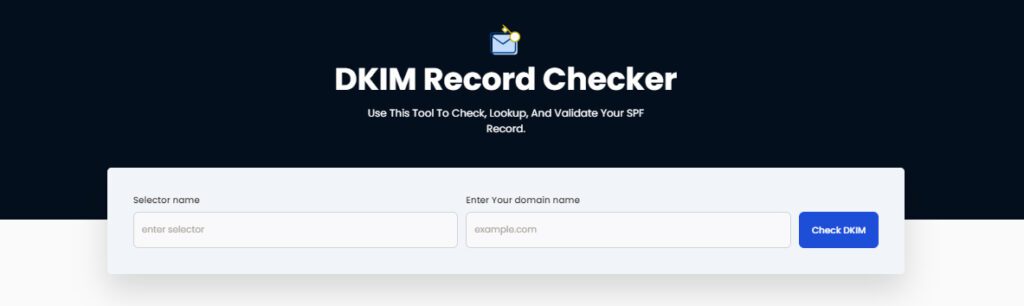
DKIM is specified in RFC 6376, and it is used by a number of email service providers, including Google, Yahoo, and Microsoft. DKIM is designed to address some of the flaws in the existing email system, such as spoofing, phishing, and message tampering. It allows email senders to digitally sign their messages in a way that can be verified by email receivers. This allows receivers to verify that the message truly came from the sender, and has not been tampered with.
To enable DKIM authentication, reach out to Mixpanel to obtain the DKIM key pair, and afterward publish the DKIM record through your DNS.
I. DKIM Setup for Mixpanel
Publishing DKIM record in DNS
- Sign in your DNS administration interface.
- Create a TXT record in your DNS with the title: <selector>. domainkey. <yourdomainname.com>, for example: s1. domainkey.yourdomainname.com
- Paste the DKIM public key’s copied contents into the space designated for the TXT record value.
- Click “Save.”
- Use our free DKIM record checker tool to validate the published DKIM record.

Unlock insights, bypass email authentication configuration issues including SPF and DKIM; and protect your domain from spoofing with strict DMARC enforcement, all autonomously with Skysnag.
Sign up for a free trial today!