The cybersecurity landscape continues to evolve rapidly, and Managed Security Service Providers (MSSPs) face mounting pressure to expand their service portfolios beyond traditional offerings. Email authentication has emerged as a critical gap in many MSSP service stacks, despite email-based threats representing one of the most persistent attack vectors organizations face today.
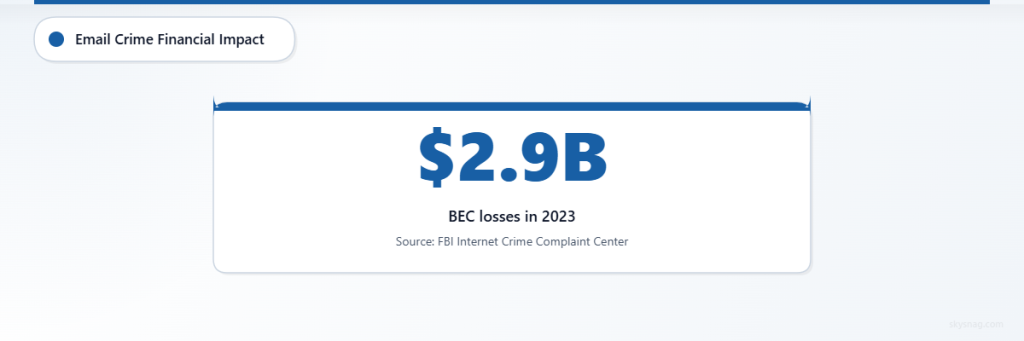
According to the FBI’s Internet Crime Complaint Center, business email compromise (BEC) attacks resulted in over $2.9 billion in losses in 2023, making email security a non-negotiable component of comprehensive cybersecurity programs. For MSSPs looking to differentiate their services and capture additional revenue streams, email authentication represents both an opportunity and an imperative.
I. The Current State of MSSP Email Security Services
Most MSSPs have traditionally focused on perimeter security, endpoint protection, and SIEM services while leaving email security to specialized vendors or treating it as an afterthought. This approach creates significant gaps in client security postures and leaves revenue on the table.
Market Demand Exceeds Supply
The disconnect between client needs and MSSP offerings has created a substantial market opportunity. Organizations increasingly recognize that email authentication protocols like DMARC, SPF, and DKIM are foundational security controls, yet many struggle with implementation complexity and ongoing management.
Small to medium-sized businesses, in particular, lack the internal expertise to properly configure and maintain email authentication policies. They rely on their MSSP partners to guide security decisions and implement protective measures across their technology stack.
Competitive Differentiation Requirements
As the MSSP market becomes increasingly saturated, providers must differentiate their offerings to maintain growth and client retention. Email authentication services provide a clear value proposition that addresses a universal business need while demonstrating technical expertise in a complex domain.
MSSPs that can articulate the business impact of email authentication, implement solutions efficiently, and provide ongoing monitoring and optimization will gain significant competitive advantages over providers still focused solely on traditional security services.
II. Business Case for Email Authentication Services
Revenue Generation Opportunities
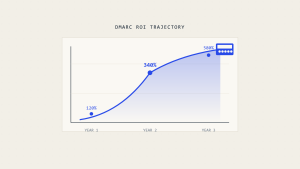
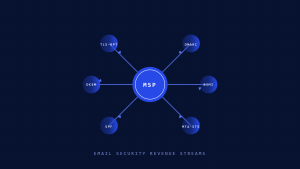
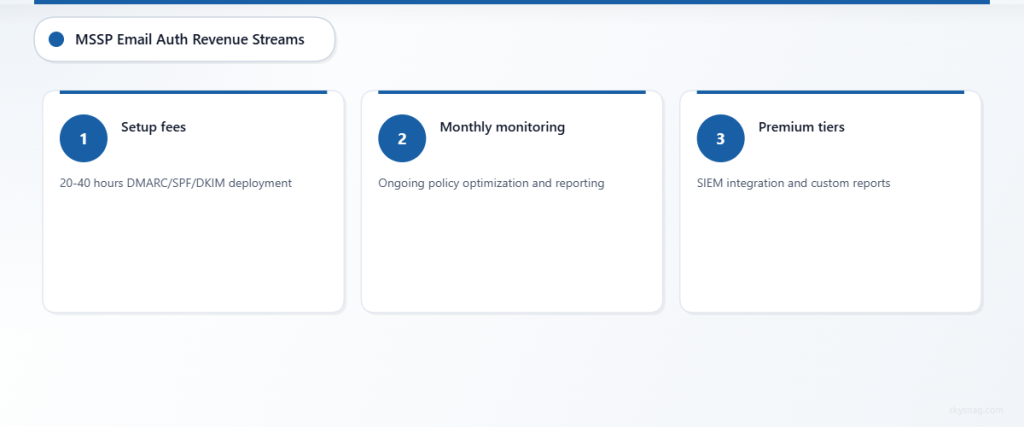
Email authentication services create multiple revenue streams for MSSPs through initial implementation fees, ongoing monitoring subscriptions, and premium management services. Unlike one-time security assessments, email authentication requires continuous oversight to maintain effectiveness as organizations grow and change.
Implementation Revenue: Initial DMARC, SPF, and DKIM deployment typically requires 20-40 hours of professional services time, depending on email infrastructure complexity. MSSPs can package these implementations as fixed-price projects or hourly engagements.
Recurring Monthly Revenue: Ongoing DMARC monitoring, policy optimization, and reporting services create predictable monthly recurring revenue streams. Clients value regular reports showing protection against spoofing attempts and email deliverability improvements.
Premium Service Tiers: Advanced features like automated policy enforcement, integration with security information and event management (SIEM) platforms, and custom reporting can command premium pricing for enterprise clients.
Client Retention and Expansion
Email authentication services strengthen client relationships by addressing a critical security gap many organizations don’t fully understand. MSSPs that proactively identify and solve email security challenges demonstrate strategic value beyond basic monitoring and response services.
The technical complexity of email authentication also creates natural switching costs. Once an MSSP has invested time understanding a client’s email infrastructure and implementing tailored policies, replacing that provider becomes significantly more difficult and expensive.
Risk Mitigation for MSSP Business
Offering comprehensive email authentication services helps MSSPs reduce their own business risks by providing more complete security coverage for clients. Email-based breaches at client organizations can damage MSSP reputations and lead to contract losses, even when the MSSP wasn’t responsible for email security.
By expanding service portfolios to include email authentication, MSSPs can better control their clients’ overall security postures and reduce the likelihood of successful attacks that might reflect poorly on their security programs.
III. Implementation Considerations
Technical Infrastructure Requirements
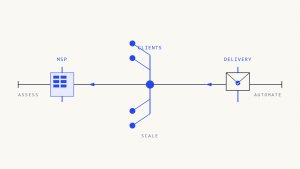
MSSPs need robust platforms to deliver email authentication services at scale across multiple client environments. Managing DMARC policies, monitoring SPF records, and tracking DKIM implementations across dozens or hundreds of client domains requires specialized tooling and automation.

Skysnag MSP/MSSP Comply provides the multi-tenant platform capabilities MSSPs need to efficiently manage email authentication across their entire client base. The platform handles the technical complexity of DMARC implementation while providing MSSPs with white-labeled reporting and management interfaces their clients expect.
Staff Training and Expertise Development
Email authentication requires specialized knowledge that extends beyond traditional network security or endpoint protection expertise. MSSPs must invest in training technical staff on DNS management, email infrastructure, and the nuances of DMARC, SPF, and DKIM protocols.
The learning curve can be significant, but the specialized expertise becomes a competitive differentiator. Clients value working with MSSPs that deeply understand their email security challenges and can provide authoritative guidance on complex implementation decisions.
Service Delivery Models
Successful MSSPs typically offer email authentication services through tiered service models that accommodate different client needs and budgets:
Essential Tier: Basic DMARC implementation with monthly reporting and policy recommendations. Suitable for small businesses with straightforward email infrastructures.
Professional Tier: Comprehensive email authentication with automated monitoring, quarterly policy optimization, and integration with existing security tools. Designed for mid-market organizations with more complex requirements.
Enterprise Tier: Fully managed email authentication with real-time alerting, custom reporting, SIEM integration, and dedicated technical support. Appropriate for large organizations with mission-critical email systems.
IV. Regulatory and Compliance Drivers
Industry-Specific Requirements
Organizations in regulated industries face increasing pressure to implement comprehensive email security controls. While specific compliance standards may not explicitly mandate DMARC implementation, email authentication supports the broader security objectives these frameworks emphasize.
Financial services organizations subject to regulations emphasizing customer data protection commonly implement email authentication as part of their anti-phishing strategies. Healthcare organizations protecting patient information similarly benefit from email authentication controls that help prevent business email compromise attacks.
Insurance and Risk Management
Cyber insurance carriers increasingly evaluate email security controls when underwriting policies and processing claims. Organizations with robust email authentication implementations may qualify for better coverage terms or reduced premiums.
MSSPs that can help clients demonstrate comprehensive email security postures provide additional value beyond technical implementation. Proper documentation and reporting of email authentication controls supports insurance applications and regulatory compliance efforts.
V. Key Takeaways
MSSPs that haven’t yet incorporated email authentication services into their portfolios risk falling behind competitors and missing significant revenue opportunities. The business case for adding these services includes:
- Multiple revenue streams through implementation fees and recurring monitoring subscriptions
- Enhanced client retention through comprehensive security coverage
- Competitive differentiation in an increasingly crowded MSSP market
- Risk mitigation by providing more complete security postures for clients
- Support for client compliance and insurance requirements
The technical complexity of email authentication creates natural barriers to entry that benefit MSSPs willing to invest in proper training and tooling. Platforms like Skysnag MSP/MSSP Comply enable efficient service delivery across multiple client environments while maintaining the professional reporting and management interfaces clients expect.
As email-based threats continue evolving and regulatory expectations around cybersecurity controls strengthen, MSSPs that offer comprehensive email authentication services will be better positioned to grow their businesses and protect their clients.
Ready to add email authentication services to your MSSP portfolio? Discover how Skysnag MSP/MSSP Comply can help you deliver professional email security services at scale.