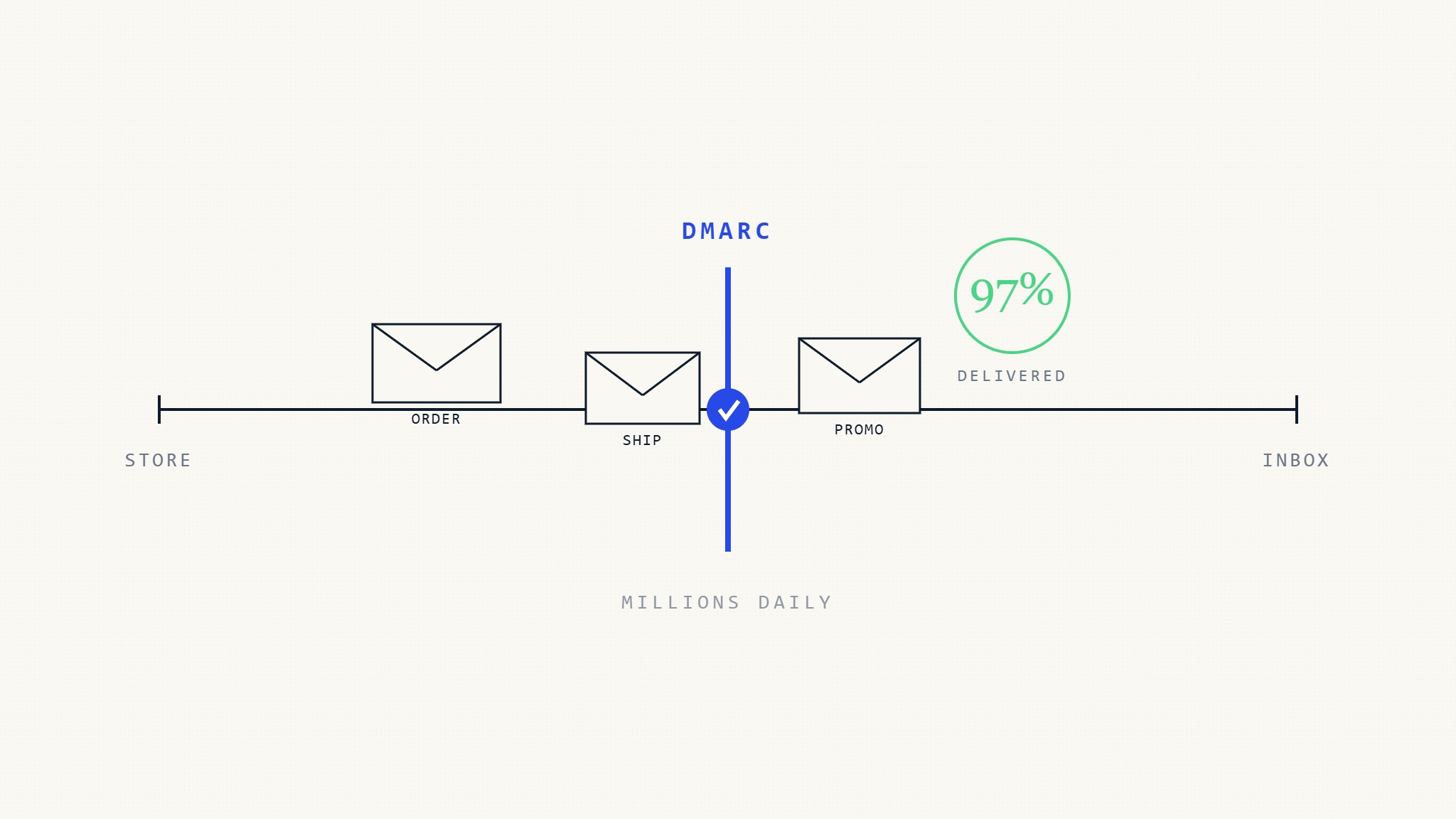
E-commerce businesses send millions of transactional emails daily, from order confirmations to shipping notifications, yet 73% of online retailers report email deliverability issues that directly impact customer trust and revenue. DMARC (Domain-based Message Authentication, Reporting and Conformance) serves as the critical authentication protocol that ensures your legitimate e-commerce emails reach customer inboxes while blocking fraudulent messages that could damage your brand reputation.
This comprehensive guide provides online retailers with a complete DMARC implementation strategy tailored specifically for e-commerce operations, addressing the unique challenges of high-volume transactional messaging and multi-vendor email systems.
I. Why E-commerce Businesses Need DMARC Protection
E-commerce companies face distinctive email security challenges that make DMARC implementation essential for business continuity and customer trust.
The E-commerce Email Threat Landscape
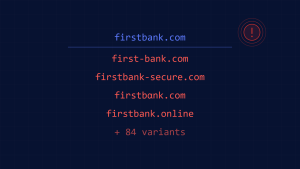
Online retailers are prime targets for email-based attacks due to their trusted brand relationships with customers. Cybercriminals frequently impersonate e-commerce brands to:
- Send fake order confirmation emails with malicious links
- Create fraudulent shipping notifications to harvest customer data
- Deploy phishing campaigns mimicking password reset requests
- Distribute fake promotional offers to steal payment information
According to recent cybersecurity data, e-commerce brands experience 45% more email spoofing attempts than other industries, with peak attacks occurring during major shopping seasons like Black Friday and holiday periods.
Revenue Impact of Poor Email Deliverability
Email deliverability issues directly affect e-commerce revenue streams through multiple channels:
Transactional Email Failures: When order confirmations, shipping notifications, or account recovery emails fail to deliver, customer service inquiries increase by an average of 23%, while customer satisfaction scores decline.
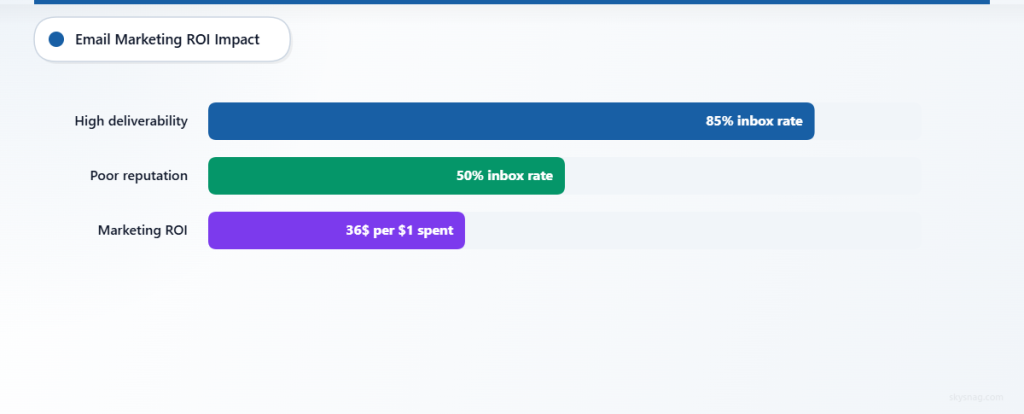
Marketing Campaign Losses: E-commerce marketing emails generate an average ROI of $36 for every dollar spent, but poor sender reputation can reduce inbox placement rates from 85% to below 50%, effectively cutting marketing revenue in half.
Customer Trust Erosion: When customers receive spoofed emails impersonating your brand, 67% report decreased trust in the legitimate business, leading to reduced repeat purchases and negative word-of-mouth marketing.
II. Understanding DMARC for E-commerce Operations
DMARC creates a comprehensive email authentication framework that validates every message sent from your e-commerce domain while providing detailed reporting on both legitimate and fraudulent email activity.
How DMARC Protects E-commerce Communications
DMARC works by establishing authentication policies that email receivers use to verify message legitimacy:
Authentication Alignment: DMARC requires passing either SPF (Sender Policy Framework) or DKIM (DomainKeys Identified Mail) authentication, with domain alignment ensuring emails genuinely originate from your authorized sending sources.
Policy Enforcement: You define how receiving email servers should handle messages that fail authentication, with options ranging from monitoring (none) to quarantine (spam folder) or reject (block delivery entirely).

Visibility and Reporting: DMARC provides detailed reports showing all email activity from your domain, including successful deliveries, authentication failures, and potential spoofing attempts.
E-commerce DMARC Implementation Challenges
Online retailers face specific complications when implementing DMARC due to complex email ecosystems:
Multiple Sending Sources: E-commerce businesses typically send emails through various platforms including e-commerce platforms (Shopify, Magento), email service providers (Mailchimp, Klaviyo), payment processors (PayPal, Stripe), and customer service tools (Zendesk, Intercom).
Third-Party Integrations: Many e-commerce tools send emails on behalf of your domain, requiring careful SPF and DKIM configuration to ensure legitimate messages pass DMARC authentication.
High Volume Considerations: Transactional emails require immediate delivery with minimal latency, making it crucial to implement DMARC without disrupting time-sensitive communications like order confirmations or shipping updates.
III. Step-by-Step DMARC Implementation for E-commerce
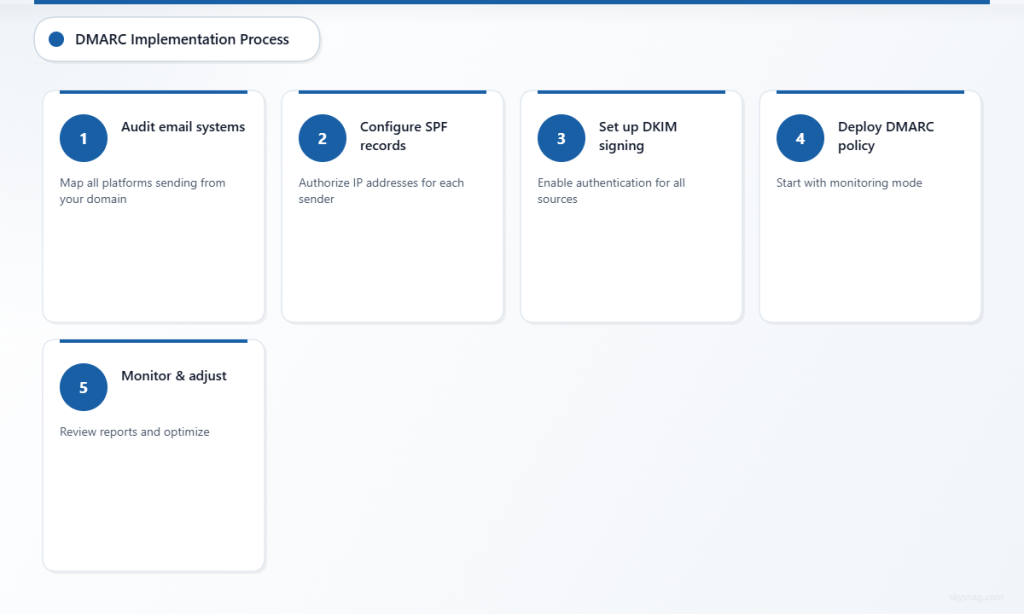
Follow this systematic approach to implement DMARC for your online retail business while maintaining seamless email operations.
Step 1: Audit Your E-commerce Email Infrastructure
Begin by cataloging all systems that send emails from your domain to ensure comprehensive authentication coverage.
Identify Email Sources: Document every platform sending emails on your behalf:
- E-commerce platform (order confirmations, account notifications)
- Email marketing tools (newsletters, promotional campaigns)
- Payment processors (transaction receipts, refund notifications)
- Customer service platforms (support ticket responses)
- Shipping providers (tracking notifications, delivery confirmations)
- Review and feedback systems (product review requests)
Map Email Flows: Create a visual map showing customer email touchpoints throughout the purchase journey, from initial marketing contact through post-purchase follow-up communications.
Test Current Authentication: Use email authentication testing tools to check existing SPF and DKIM configurations for each sending source, identifying gaps that need addressing before DMARC implementation.
Step 2: Configure SPF Records for All E-commerce Systems
SPF (Sender Policy Framework) authorizes specific IP addresses to send emails from your domain, forming the foundation of DMARC authentication.
Compile Authorized Senders: Gather IP addresses and sending domains for all legitimate email sources identified in your audit.
Create Comprehensive SPF Record: Build an SPF record that includes all authorized senders while staying within DNS lookup limits:
v=spf1 include:_spf.google.com include:servers.mcsv.net include:spf.mtasv.net include:_spf.salesforce.com ip4:192.0.2.1 ~allTest SPF Implementation: Verify SPF records resolve correctly and authenticate emails from all your sending sources before proceeding to DKIM setup.
Step 3: Implement DKIM Signing for E-commerce Platforms
DKIM (DomainKeys Identified Mail) adds cryptographic signatures to emails, providing stronger authentication than SPF alone.
Generate DKIM Keys: Create DKIM key pairs for each major email sending source, using 2048-bit keys for enhanced security.
Configure Platform DKIM: Set up DKIM signing in each e-commerce system:
- E-commerce platforms: Enable DKIM in platform settings and add public keys to DNS
- Email service providers: Configure custom DKIM domains to maintain brand consistency
- Transactional email services: Implement dedicated DKIM selectors for different message types
Verify DKIM Signatures: Test DKIM signing across different email types (transactional, marketing, automated) to ensure proper configuration.
Step 4: Deploy DMARC Policy with Gradual Enforcement
Start with a monitoring-only DMARC policy to gather data before enforcing authentication requirements.
Initial DMARC Record: Begin with a “none” policy to collect reports without affecting email delivery:
v=DMARC1; p=none; rua=mailto:[email protected]; ruf=mailto:[email protected]; sp=none; adkim=r; aspf=r;Monitor Authentication Results: Analyze DMARC reports for 2-4 weeks to identify:
- Authentication pass rates for different email types
- Unauthorized senders attempting to use your domain
- Configuration issues requiring attention
Gradual Policy Tightening: After resolving authentication issues, progressively strengthen your DMARC policy:
- Week 1-2:
p=none(monitoring only) - Week 3-4:
p=quarantine; pct=25(quarantine 25% of failing messages) - Week 5-6:
p=quarantine; pct=50(quarantine 50% of failing messages) - Week 7+:
p=quarantineorp=reject(full enforcement)
Step 5: Monitor and Optimize E-commerce Email Performance
Continuous monitoring ensures DMARC implementation maintains optimal email deliverability for your e-commerce operations.
Analyze DMARC Reports: Review aggregate and forensic reports weekly to:
- Track authentication success rates by email type
- Identify new unauthorized sending attempts
- Monitor policy compliance across all sending sources
Performance Metrics Tracking: Monitor key e-commerce email metrics:
- Transactional email delivery rates (aim for 99%+ for critical messages)
- Marketing email inbox placement rates
- Customer engagement metrics (open rates, click-through rates)
- Customer service inquiry volumes related to missing emails
Seasonal Adjustments: E-commerce email volumes fluctuate significantly during peak shopping periods. Monitor DMARC performance during high-traffic events and adjust configurations as needed to maintain deliverability during critical sales periods.
IV. Advanced DMARC Strategies for E-commerce Growth
Implement sophisticated DMARC configurations to support expanding e-commerce operations and enhanced security posture.
Multi-Brand DMARC Management
E-commerce businesses operating multiple brands or marketplaces need coordinated DMARC strategies across all properties.
Subdomain Policies: Configure specific DMARC policies for different business units:
store.example.comfor main e-commerce operationsmarketplace.example.comfor third-party seller communicationssupport.example.comfor customer service interactions
Brand-Specific Authentication: Implement separate DKIM selectors and SPF records for each brand while maintaining centralized DMARC reporting and policy management.
International E-commerce Considerations
Global e-commerce operations require DMARC configurations that account for regional email infrastructure and compliance requirements.
Regional Email Providers: Configure authentication for region-specific email service providers and payment processors used in different markets.
Compliance Alignment: Ensure DMARC implementation supports regional privacy regulations like GDPR, CCPA, or local data protection laws that affect email handling and reporting.
Integration with Security Operations
Advanced e-commerce businesses integrate DMARC monitoring with broader cybersecurity infrastructure for comprehensive threat detection.
Security Information and Event Management (SIEM) Integration: Connect DMARC report data with security monitoring platforms to correlate email authentication events with other security indicators.
Automated Threat Response: Configure automated responses to DMARC policy violations, including alerting security teams to potential brand impersonation attempts or adjusting firewall rules based on suspicious email activity.
V. Measuring E-commerce DMARC Success
Track specific metrics that demonstrate DMARC value for online retail operations and customer experience.
Key Performance Indicators
Email Deliverability Metrics:
- Transactional email delivery rates (target: 99%+)
- Marketing email inbox placement (target: 85%+)
- Authentication pass rates across all email types
- Bounce rates and spam complaints
Security Effectiveness Measures:
- Blocked spoofing attempts per month
- Reduction in customer reports of suspicious emails
- Improvement in brand trust survey scores
- Decrease in email-related customer service inquiries
Business Impact Assessments:
- Email marketing ROI improvements
- Customer engagement rate increases
- Reduced fraud-related customer service costs
- Enhanced brand reputation scores
Reporting and Documentation
Maintain comprehensive documentation of your DMARC implementation for compliance audits and team knowledge transfer:
Technical Documentation: Record all SPF, DKIM, and DMARC configurations with change logs and rollback procedures.
Performance Reports: Generate monthly reports showing authentication success rates, security incidents prevented, and business metrics improved through DMARC implementation.
Stakeholder Communications: Provide regular updates to executive leadership highlighting DMARC contributions to revenue protection and customer trust enhancement.
Implementing DMARC authentication provides e-commerce businesses with essential protection against email spoofing while ensuring legitimate transactional and marketing messages reach customer inboxes reliably. Skysnag Protect offers comprehensive DMARC management specifically designed for e-commerce operations, providing automated monitoring, simplified policy management, and detailed reporting to maintain optimal email deliverability.
VI. Key Takeaways
- E-commerce businesses face 45% more email spoofing attempts than other industries, making DMARC implementation critical for brand protection and customer trust
- Proper DMARC configuration requires careful coordination across multiple email systems including e-commerce platforms, payment processors, and customer service tools
- Gradual DMARC policy enforcement prevents disruption to time-sensitive transactional emails while building comprehensive authentication coverage
- Continuous monitoring and seasonal adjustments ensure DMARC maintains optimal performance during peak shopping periods and business growth
- Advanced DMARC strategies support multi-brand operations, international expansion, and integration with broader cybersecurity infrastructure
Ready to protect your e-commerce brand and improve email deliverability? Start your DMARC implementation with Skysnag Protect today and ensure your customer communications reach their intended destinations securely.